
Whether you’re renovating your kitchen, replacing a laundry pair or shopping the big holiday and Boxing Day sales, choosing the right appliances is the key to years of reliable service. As experienced appliance repair technicians at iFix Appliances, we see first-hand which buying decisions lead to problems later. This guide shares what we’ve learned.
Why the Right Fit Matters
Many appliance breakdowns we see are caused by appliances being used beyond what they were designed for:
- Overloading the dishwasher
- Overloading the washer and dryer
- Overstuffing the refrigerator, or keeping it nearly empty
Appliances are designed for a specific capacity to minimise wear and tear. When you buy new, you can choose appliances that not only look the way you want but also fit your family’s lifestyle. Finishes like matte white, matte black or black stainless might be popular right now, but how well an appliance serves you matters more.
Plan Before You Shop
- Set a budget. Decide what you can spend before you look at features. Appliances are a major part of any kitchen renovation budget.
- Know your priorities. Identify what’s essential to how you cook, clean and do laundry, then match the look to your needs.
- Measure carefully. Measure the space, the doorways and the route into the house. Leave the clearance the installation guide requires for ventilation and door swing.
- Time it right. If your current appliances are near the end of their life, plan your purchase around sales instead of waiting for an emergency.
Tips on Buying a New Washer and Dryer

Front-load or top-load?
Top-loaders don’t require bending and are often considered simpler and more durable. Front-loaders generally use less water and energy and can be stacked to save space, but they need more care to prevent odours. Leave the door open after use and wipe the door seal.
Fast spin speed
A faster spin removes more water, so clothes spend less time in the dryer, which is one of the biggest energy users in the home. Look for at least 900 rpm.
Choose the cycles you’ll actually use
Some features sound great in the showroom but rarely get used at home. Every extra feature is another part that can fail, so choose a machine with the cycles that suit your laundry.
Size matters
Capacity is measured in cubic feet. As a rough guide:
- 3.5 cu. ft. can fit a queen-size comforter
- 3.8 cu. ft. can handle a king-size comforter
- 4.0 cu. ft. is enough for about 12–16 lb of laundry
- 4.5 cu. ft. can hold up to about 20 lb of laundry
Choose a capacity that matches your typical load. Regularly overloading a washer and dryer will eventually break them.
Look for a dryer moisture sensor
A moisture sensor shuts the dryer off automatically when the clothes are dry, which saves energy and reduces wear on your clothes and the machine.
Noise
If your laundry is near bedrooms or living space, not tucked away in the basement, compare noise ratings and look for good vibration control.
Tips on Buying a New Fridge

Energy efficiency
A refrigerator runs around the clock, so efficiency matters. Look for the ENERGY STAR symbol and compare the EnerGuide label. Bottom-freezer models are typically more efficient than side-by-side designs.
Flexible shelving
Adjustable shelves and bins help you organise food, keep everything visible and contain spills. Check the build quality, because flimsy plastic shelves and bins crack easily.
Size
Choose a size that matches what you actually store. A fridge that’s packed full after grocery day and empty a few days later works harder than one that stays evenly stocked.
Dispensers and ice makers
In-door water and ice dispensers are convenient, but in our experience they’re among the most common sources of fridge repairs. If you don’t really need one, a fridge without a dispenser can save you money on repairs. Read our take on fridge door ice makers.
Finishes
Stainless steel looks great but shows fingerprints. Fingerprint-resistant coatings help. Remember you’ll likely keep a fridge for many years, so choose a finish you’ll still like when trends change. Neutral finishes like white are often less expensive and never go out of style.
Tips on Buying a New Stove or Oven
Consider your options
Beyond the standard freestanding range, you can choose a built-in cooktop paired with a wall oven at a comfortable height, or a range with double ovens.
Gas or electric
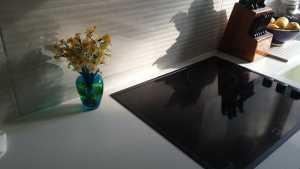
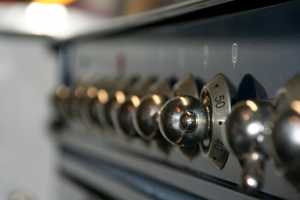
Gas gives instant, responsive heat but requires a gas line and careful installation. Electric smooth-tops are sleek and easy to clean but the glass can scratch or crack if mistreated.
Convection
A convection fan circulates hot air, cooking food faster and more evenly.
Induction cooktops
Induction uses magnetism to heat the pan directly, so it’s fast and responsive. You may need new cookware: if a magnet sticks to the bottom of a pot, it will work on induction.
Easy-to-clean cooktops and warming drawers
Glass and ceramic tops are easy to wipe if you clean spills promptly. A warming drawer keeps food hot between cooking and serving.
Tips on Buying a New Dishwasher

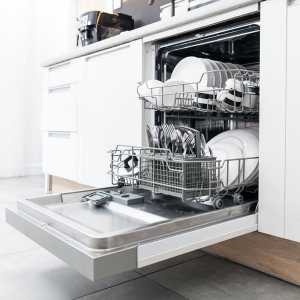
Capacity and rack layout
Think about how many loads you run each day and how many place settings you need. Adjustable racks and fold-down tines make it easier to fit pots and oddly shaped items.
Built-in size
The standard built-in dishwasher is about 24 inches wide and fits most modern kitchens. If you’re replacing an older model, measure the opening carefully, since older units and cabinet openings sometimes differ.
Location
Make sure the door opens fully with enough clearance, ideally beside the sink and close to where you store dishes.
Do Your Research
- Read reviews. Owner reviews reveal real-world reliability, noise and maintenance issues.
- Compare prices. Check several retailers online and in-store.
- Ask about parts and service. Brands with good parts availability are easier and faster to repair.
- Plan professional installation. Proper setup prevents many early problems. Read our guide to new appliance setup.
Should You Buy an Extended Warranty?
New appliances come with a manufacturer’s warranty. Before buying extra coverage, read what it actually covers, how long it lasts, and whether there’s a deductible. If the deductible or plan price is close to the cost of a likely repair, it may not be worth it. Read more in our article on extended appliance warranties.
Frequently Asked Questions
Which is more reliable: front-load or top-load washers?
Both can be reliable when used properly. Top-loaders are simpler, while front-loaders are more efficient but need regular door seal care to prevent odours.
Are fridges with ice and water dispensers worth it?
They’re convenient, but they add parts that can fail. If you rarely use them, skipping the dispenser can mean fewer repairs.
Do I need new pots for an induction cooktop?
Only if your current cookware isn’t magnetic. Test it with a fridge magnet. If it sticks to the bottom, it will work.
What size dishwasher fits a standard kitchen?
Most built-in dishwashers are about 24 inches wide. Always measure your opening before buying.
When Your Appliances Need Service, Call I-Fix
We hope this guide takes the stress out of appliance shopping. When your new or old appliances stop working, I-Fix Appliance Repair provides quick, caring and reliable appliance repair, including washing machine repair and fridge repair, in Toronto, Scarborough, North York and Etobicoke. Call us at 647-642-1212, 7am to 10pm, seven days a week, or contact us here.
RELATED ARTICLE: Appliance Setup – Do it Right to Avoid Repair!