

Regular Appliance Maintenance: More Care, Less Repair
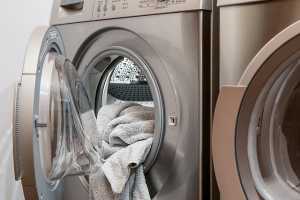
Your appliances probably work as hard as you do, and just like people, a little care goes a long way. When you take a few extra steps, your appliances need fewer repairs, use less energy and last longer. Appliances are too big an investment not to look after.
This guide brings together our technicians’ best maintenance tips for washers, dryers, your fridge, your dishwasher! and your electric stove. Before you start any maintenance, always unplug the appliance (or switch off its breaker) and turn off the water or gas supply where needed. Stay safe!
Start With the Right Appliance for the Job
Maintenance starts at the store. Choose appliances that fit your workload, not just your kitchen’s look. When buying a washer and dryer, think about your family size, how often you do laundry, and whether you wash bulky items like king-size comforters. If your fridge is always overstuffed, go one size up next time. If it’s half empty, go a size down. Regularly overloading a washer or dryer wears out its motor and bearings, and a fridge that’s always overstuffed or nearly empty has a harder time keeping an even temperature.
Dishwasher Maintenance
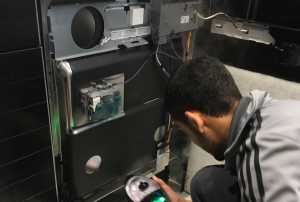
- Scrape dishes before loading. Many of our dishwasher repair calls are caused by food scraps stuck around the pump impeller or clogging the drain hose.
- Clean the filter regularly. If your dishwasher stops cleaning well, a clogged filter is the usual suspect: water can’t reach the spray arms. Remove the filter, rinse it under warm water and use a soft brush on the mesh.
- Clean and deodorise monthly. Place a cup of white vinegar upright on the top rack and run a hot cycle, or use a dishwasher cleaner.
- Going away? Run a cleaning cycle and leave the door slightly open to prevent odours.
Washer and Dryer Maintenance
- Clean the dryer lint screen after every load. This saves the motor and reduces the risk of fire. Once lint makes its way inside the cabinet, a spark can ignite it. Have the dryer vent and the inside of the dryer professionally cleaned every couple of years.
- Wipe the washer after use. On front-loaders, wipe the rubber door seal and leave the door and detergent drawer open. Trapped moisture causes mould, odours and gasket damage.
- Don’t overload. Stuffing the drum doesn’t really save water or energy. It strains the motor, suspension and bearings, and those repairs add up.
- Quiet the vibration. Level the machines and lock the feet. Rubber anti-vibration pads under the feet can also reduce noise and “walking”.
- Check hoses. Inspect washer fill hoses for bulges or cracks and replace worn ones before they leak.
Refrigerator Maintenance: How to Extend Your Fridge’s Lifespan

The fridge runs around the clock and is one of the biggest energy users in any home, so a little care cuts your hydro bill and delays the day you need a fridge repair or replacement.
- Clean the condenser coils. Service technicians find dirty coils on a large share of refrigerator calls. The coils are usually behind the front grille or at the back. Use a coil brush and a vacuum at least twice a year so the fridge cools more efficiently.
- Look after the door gaskets. Clean them with warm water and a sponge, since harsh detergents can damage the rubber. Sticky food spills can glue the gasket to the frame, and yanking the door open can tear it. If a gasket is brittle, torn or no longer seals, replace it. A leaky seal lets cold air escape and makes the fridge run longer.
- Leave space for airflow. Don’t push the fridge tight against the wall, and keep it away from ovens, dishwashers and direct sunlight.
- Don’t overcrowd the shelves. Cold air needs room to circulate. Avoid bulky bags and store produce directly in the bins.
- Set the right temperatures. Keep the fridge at 4°C (40°F) or below and the freezer at -18°C (0°F). There’s no need to go colder than that.
- Use the dispenser and power-saver mode. Using the in-door water and ice dispenser means opening the doors less often. If your fridge has a power-saver setting that turns off the anti-condensation heaters, use it unless you see moisture on the cabinet.
- Watch for frost. On manual-defrost freezers, defrost before the ice gets thick. In a frost-free fridge, heavy frost buildup is a sign of a defrost system problem worth having checked.
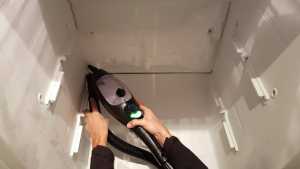
Stove and Oven Maintenance
- Clean knobs carefully. If your stove has knobs, don’t spray cleaner or water directly on them. Dampen a cloth instead so moisture doesn’t reach the electrical contacts.
- Gas burner won’t light? Spilled food is a common cause. With the stove off and cool, gently clean the igniter with a dry toothbrush and make sure the burner cap sits correctly.
- Electric coil burner not working? With the stove off and cool, pull the coil out and re-seat it firmly in its socket. If it’s still loose or doesn’t heat, the element or receptacle may need replacing.
- Keep the oven clean. Grease buildup affects performance and can become a fire risk. Never leave the oven unattended on a self-clean cycle.
Close Doors Gently
Slamming the lid or door of a washer, dryer, fridge or oven can break the door or lid switch. That’s a repair that can cost $100 or more, and it’s easily avoided with a gentle hand.
Appliance Maintenance Checklist
- Every use: clean the dryer lint screen and wipe the front-load washer seal
- Monthly: clean the dishwasher filter and run washer and dishwasher cleaning cycles
- Every few months: check fridge door gaskets and washer hoses
- Twice a year: vacuum fridge condenser coils
- Every couple of years: professional dryer vent and cabinet cleaning
These simple habits help prevent small problems from becoming big ones. For more tips, see 10 things you need to know about your appliances.
Frequently Asked Questions
How often should appliances be serviced?
Most routine care, like cleaning filters, coils and lint screens, can be done yourself. Book a technician when you notice new noises, leaks, error codes or longer cycle times, and have your dryer vent professionally cleaned every couple of years.
What temperature should my fridge be?
4°C (40°F) or below for the fridge and -18°C (0°F) for the freezer.
Can I use vinegar to clean my dishwasher?
Yes. A cup of white vinegar on the top rack during a hot cycle helps remove grease and odours. Check your owner’s manual for any manufacturer-specific advice.
Why does my fridge door not seal?
The gasket may be dirty, stuck, torn or brittle, or the fridge may not be level. Clean the gasket first. If it still doesn’t seal, it may need to be replaced.
Need Appliance Repair in Toronto?
Whether you want a second opinion or need fast, same-day service, I-Fix Appliances is here for all your appliance repair needs. Call us at 647-642-1212, 7am to 10pm, seven days a week, or visit https://ifixappliances.ca. Call us today and we’ll help you right away!
Related Article: APPLIANCE REPAIR ISSUES – NEW APPLIANCES?